
The historical journey of gambling From ancient rituals to modern casinos
The Origins of Gambling
The practice of gambling can be traced back thousands of years to ancient civilizations, where it served not only as entertainment but also as a means of divination and ritual. Archaeological findings suggest that as early as 3000 BC, the Chinese were using rudimentary dice, and similar artifacts have been uncovered in ancient Egypt. These early forms of gambling often involved games of chance that were closely tied to cultural practices and beliefs, especially as people sought to enjoy their online casino experiences.
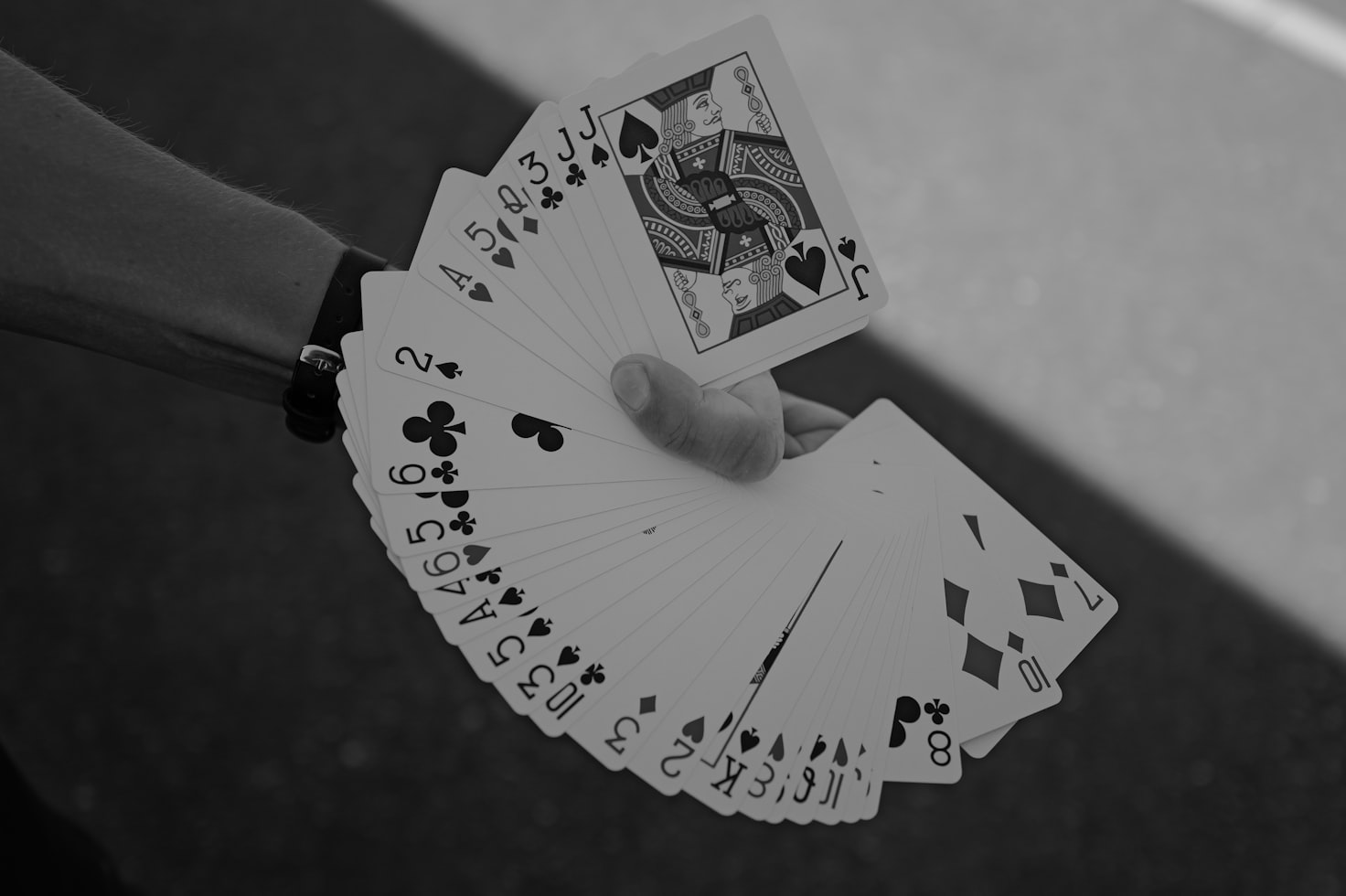
In many ancient societies, gambling rituals were integral to religious ceremonies. For instance, the Romans participated in gambling as part of their festivals, believing it could bring them luck and favor from the gods. This intertwining of fate and gambling established a cultural foundation that would continue to evolve over centuries.
Gambling in the Middle Ages
The Middle Ages witnessed a transformation in the nature of gambling, particularly in Europe. It transitioned from informal village games to more organized forms, with the emergence of betting houses and the popularity of card games. Despite being frowned upon by the Church, gambling persisted, with nobles often indulging in high-stakes games.
As the printing press began to flourish, books and pamphlets detailing gambling strategies circulated among the populace, leading to a greater interest in games like poker and various dice games. The societal perception of gambling began to shift as it became a common pastime among different social classes, paving the way for future developments in the gaming industry.
The Rise of Casinos
The 17th and 18th centuries marked the establishment of the first modern casinos, particularly in Venice and later in Monte Carlo. These venues combined gambling with luxury and entertainment, attracting wealthy patrons from across Europe. The concept of the casino as a sophisticated social space emerged, setting the stage for the glamorous gambling experiences we associate with today.
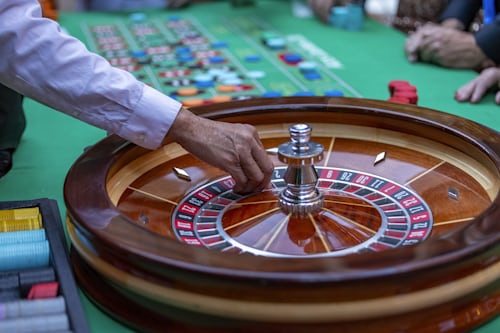
During this period, various games became formalized, and the rules were standardized, leading to the birth of popular casino games like roulette and blackjack. The combination of refined ambiance and chance attracted a new demographic, transforming gambling from a pastime into a booming industry that would take on a life of its own.
The Modern Gambling Landscape
The 20th century brought about significant changes in the gambling landscape, particularly with the rise of Las Vegas as the gambling capital of the world. The legalization of gambling in various states in the US and around the globe contributed to an explosion of casinos, sporting events, and online platforms, appealing to a wider audience than ever before.
Additionally, technological advancements have revolutionized the way people engage with gambling. Online casinos and mobile gaming have made it accessible to millions, allowing players to participate in games from the comfort of their homes. This evolution has led to new discussions about the ethics and impacts of gambling in society, addressing issues like addiction and regulation.
Conclusion and Resources
This historical journey of gambling showcases a rich tapestry woven through various cultures and eras. As we reflect on its past, we can appreciate the complexity and evolution of gambling as both a societal activity and an industry. Understanding this history provides context for current trends and challenges within the gambling world.
For more insights into the history of gambling and its cultural significance, stay tuned for ongoing discussions and resources that explore the multifaceted nature of this captivating subject.