
There are lots of illnesses going around, and we are often stuck indoors—which can also mean excessive eating and drinking. Although you may experience some does alcohol affect your immune system enjoyable effects from alcohol, you are likely aware of the potential harm over-consumption can do to your body. We have long heard about how alcohol can impair our motor skills, judgment, state of consciousness, and, of course, our liver.

Why does substance abuse increase the risk of infections?

The overactivation of immune cells and cytokines due to alcohol-induced inflammation has far-reaching consequences. Chronic inflammation is linked to a variety of health issues, including liver disease, cardiovascular problems, and even certain cancers. For example, in the liver, prolonged inflammation can lead to conditions like alcoholic hepatitis and cirrhosis, as immune cells attack liver tissue in response to alcohol-induced damage.
- Additionally, alcohol metabolism generates reactive oxygen species (ROS), which can cause oxidative stress and damage to cells, including immune cells.
- This is particularly critical during cold and flu season or in the context of global health challenges, such as the COVID-19 pandemic.
- As we consider the effects of alcohol on our immune systems, it’s essential to reflect on our drinking habits.
- To explain, alcohol has negative effects on the immune system on chemical and cellular levels.
In reality, AUD is a complex brain disorder deserving the same level of care and attention as other medical conditions like cancer or heart disease. There are several negative health problems that could arise due to frequent drinking. https://dev-vogue-and-vive.pantheonsite.io/get-help-with-substance-use/ Since there is a link between alcohol and the immune system, things only escalate as heavy drinking continues.
Effects of alcohol on adaptive immunity
Recent research suggests that even so-called moderate intake may carry some risks, including a slightly increased risk of certain cancers and impaired immune responses. Alcohol consumption has a profound impact on the immune system, particularly by triggering an increase in inflammation. When alcohol is ingested, it disrupts the delicate balance of immune responses, leading to overactivation of immune cells and the release of pro-inflammatory cytokines.
Ways to Support the Immune System After Drinking
Many people in this movement have noticed positive changes and benefits to their social lives and overall health. By integrating these insights into your lifestyle, you can support your immune health and overall well-being, ensuring that you stay strong and resilient against the challenges of daily life. While some effects may not be entirely reversible, reducing alcohol intake, improving diet, staying hydrated, and prioritizing sleep can significantly help restore immune function over time. Aim for 7-9 hours of quality sleep each night to ensure your body has the opportunity to repair and regenerate immune functions. A balanced diet rich in vitamins, minerals, and antioxidants can help bolster the immune system. Consider incorporating supplements that align with your dietary needs to support your immune health.
As the tissue isn’t being replaced correctly or at all, any infection or virus will have long-lasting detrimental effects on your health as there aren’t enough cells to fight off the viruses or bacteria. Understanding the specific ways that alcohol impairs the immune system, such as altered cytokine production and disrupted gut microbiota, is crucial for informed decision-making about alcohol consumption. The disruption in the balance of cytokines caused by alcohol can impair immune function and increase susceptibility to infections.
Alcohol consumption can alter the composition of gut bacteria, potentially leading to immune dysregulation and increased vulnerability to infections. Acute alcohol exposure primarily affects the innate immune system, causing temporary suppression of immune cell activity. In contrast, chronic alcohol consumption damages both innate and adaptive immunity, leading to a dysregulated immune response. For instance, while acute drinking may temporarily reduce natural killer (NK) cell activity, chronic drinking significantly impairs NK cell function, leaving the body vulnerable to viral infections and tumor growth. Similarly, while short-term alcohol use may cause mild oxidative stress, long-term consumption results in chronic oxidative damage, which overwhelms the immune system and accelerates cellular aging. Similar effects have been shown in moderate alcohol consumption and chronic consumption in animal models 46,50,51,52.
Q: What are the long-term effects of alcohol misuse on the immune system?
Get therapy and medical care—just $25 with insurance, no hidden fees— for alcohol recovery, depression, everyday illnesses, and more. According to the Cleveland Clinic, once you take a sip of alcohol, your body prioritizes breaking down alcohol over several other bodily functions. The body doesn’t have a way to store alcohol like it does with carbohydrates and fats, so it has to immediately send it to the liver, where it’s metabolized. Similarly, alcohol can trigger inflammation in the gut and destroy the microorganisms that live in the intestine and maintain immune system health.
Scientific Studies on Alcohol and Immunity
By the end, we aim to empower you with knowledge about maintaining a robust immune system, drawing on Cymbiotika’s commitment to transparency and quality in wellness practices. One of the key ways to minimize the impact of alcohol on the immune system is to consume alcohol in moderation. Excessive alcohol consumption can impair immune function and increase the risk of infections. It’s important to be mindful of the quantity and frequency of alcohol consumption. Excessive and chronic alcohol consumption can have detrimental effects on the immune system over the long term.
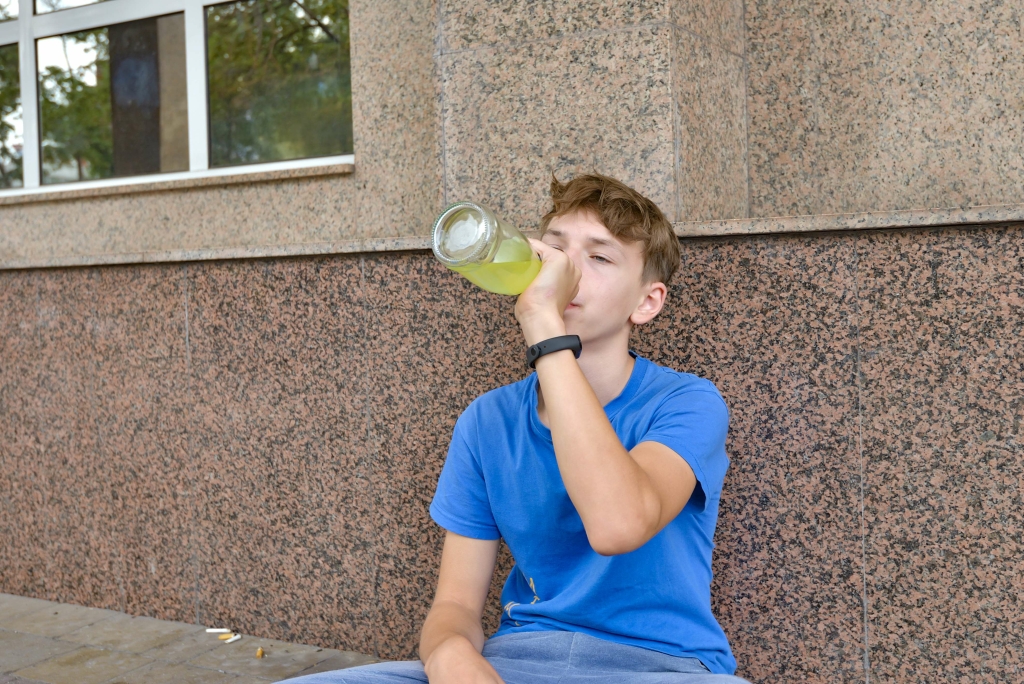
Lowering your intake—or abstaining altogether—during this time can help bolster your immune system, allowing your body to focus on fighting off seasonal illnesses. The spike in alcohol sales has alarmed health experts and officials around the world, who are concerned that increased drinking could make people even more vulnerable to the respiratory disease. Additionally, alcohol can exacerbate existing health conditions, such as autoimmune disorders, by further weakening the immune system. It also plays a crucial role in maintaining overall health by recognizing and eliminating abnormal cells, such as cancer cells.
For us to be able to put you in touch with these services, we must have your consent to share that information with the service (we’ll ask for that later, when if you sign up for extra services). If you’re trying to drink less or would like more information, don’t hesitate to contact our friendly team today! Register with us to get a personalised action plan provided by our professional advisors and coaches who will help you to achieve your goals and live a healthier lifestyle. We have many top tips about how to keep drinking to a minimum, especially during the holiday season where it may be more difficult, such as drinking mocktails or planning alcohol-free activities.
Can I reverse the effects of alcohol on my immune system?
However, studies have shown that even moderate amounts of alcohol can impair your immune function for up to 24 hours. Excessive alcohol consumption can have detrimental effects on the immune system, leading to an increased risk of various health issues. Understanding these specific health risks is crucial for individuals who want to make informed decisions about their alcohol consumption. Furthermore, alcohol can impair the body’s ability to clear infections, prolonging their marijuana addiction duration and increasing the risk of complications.